
UNDERSTANDING THE IMPACT AND NAVIGATING THE CHALLENGES
What is the Scrap Steel Crisis and Why is it Happening?

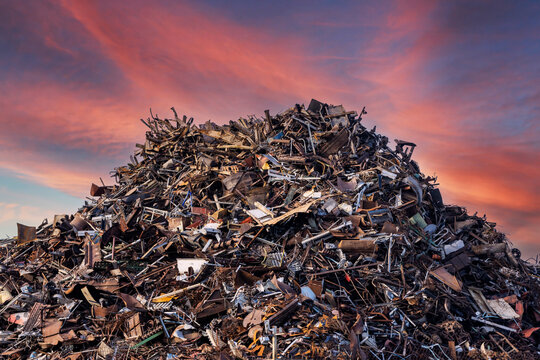
The Scrap Steel Crisis is a pressing issue that’s reshaping the steel recycling industry worldwide. This crisis stems from a severe scrap steel shortage, which has sent shockwaves through the global scrap steel supply chain. But why is this happening? Several factors converge to create this raw material scarcity, posing significant challenges for the scrap metal industry.
Firstly, increased demand for steel in construction and manufacturing sectors has outpaced the availability of recyclable scrap steel. Simultaneously, disruptions in collection and processing due to regulatory changes and logistical hurdles have tightened supply further. Environmental policies and export restrictions in key regions have also limited the flow of scrap metal across borders.
Therefore, this combination of rising demand and constrained supply means that industries relying on recycled steel face mounting pressure to secure raw materials. Moreover understanding these dynamics is crucial for stakeholders aiming to navigate and mitigate the ongoing challenges within the scrap metal industry. The Scrap Steel Crisis isn’t just a temporary hiccup—it’s a call to action for more sustainable practices and innovative solutions in steel recycling worldwide.
The Economic and Industrial Consequences of the Scrap Steel Crisis

The ongoing scrap steel crisis is creating a ripple effect across multiple sectors, with profound economic and industrial consequences that cannot be ignored. Steel production disruption has led to a significant reduction in the availability of this critical raw material, directly causing rising steel prices worldwide. These escalating costs are not just numbers on a balance sheet. They translate into real challenges for manufacturers facing increased expenses and limited access to essential materials. Manufacturing delays have become commonplace as factories struggle to secure the steel needed for their products. This causes the slowing down of production lines and the pushing back of delivery schedules.
Moreover, the construction industry is feeling the strain acutely. Projects are being postponed or scaled back due to supply chain constraints, threatening timelines and budgets alike. Infrastructure development—a cornerstone of economic growth—is at risk as steel shortages hamper progress. This includes everything from residential buildings to major public works. It’s clear that addressing this crisis requires urgent attention. Without strategic intervention, the cascading effects will continue to stifle industrial productivity and economic stability on a broad scale.
Key Factors Driving the Current Scrap Steel Shortage

The current scrap steel shortage is being driven by several critical factors that industry stakeholders cannot afford to overlook. First and foremost, there is a significant demand surge for recycled steel as manufacturers strive to meet sustainability goals and reduce reliance on virgin materials. This heightened demand puts immense pressure on available scrap supplies.
Compounding the issue are export restrictions imposed by key producing countries, which limit the flow of scrap steel to global markets and tighten domestic availability. Additionally, reduced collection rates—due to logistical challenges and changing waste management practices—have further constrained the volume of scrap entering recycling streams. Finally, increased consumption in emerging markets has escalated competition for limited resources. This makes it even more challenging for suppliers to keep pace with growing needs. Together, these factors create a perfect storm that underscores the urgency for strategic solutions in addressing the scrap steel shortage today.
The Role of Government Policies and Industry Collaboration in Resolving the Crisis

The resolution of the current crisis hinges significantly on proactive government policies and robust industry collaboration. Regulatory support for recycling is essential to create a sustainable framework that encourages efficient metal recovery practices. By implementing clear, supportive regulations, governments can incentivize companies to invest in advanced recycling technologies and processes.
Moreover, trade policies on scrap exports and imports must be carefully calibrated to balance domestic resource needs with global market dynamics. Thoughtful regulation in this area can prevent bottlenecks and promote a healthy flow of recyclable materials across borders. This practice will ensure that raw materials remain accessible for industries reliant on metal inputs.
Public-private partnerships play a pivotal role in bridging gaps between policy objectives and practical implementation. When governments collaborate with industry leaders through these partnerships, they foster innovation, share expertise, and mobilize resources effectively. Together, they can develop scalable solutions in metal recovery that not only address immediate supply challenges but also pave the way for long-term sustainability.
In essence, coordinated efforts between policymakers and industry stakeholders are indispensable for overcoming the crisis—driving progress through regulatory support, balanced trade policies, and dynamic public-private collaborations.
Conclusion: Proactive Steps to Overcome the Scrap Steel Crisis and Ensure Future Stability
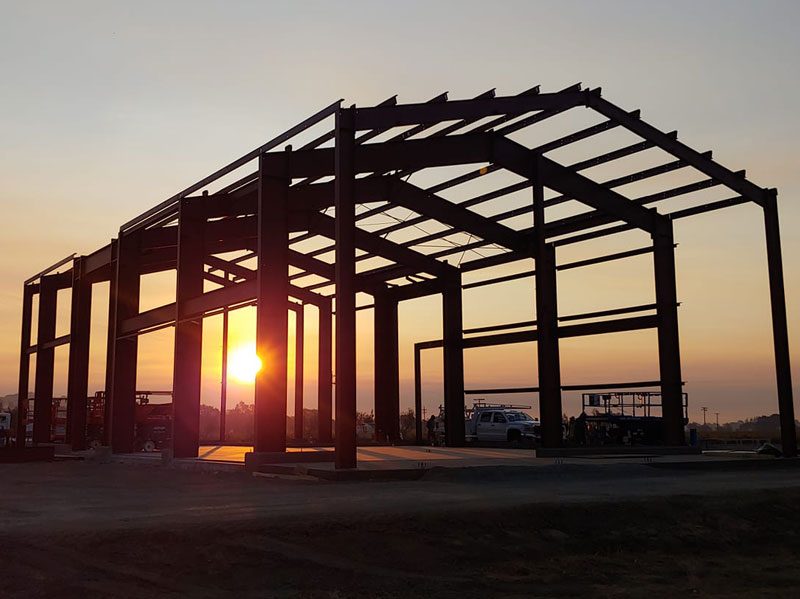
The scrap steel crisis presents a significant challenge to industries worldwide, but it is not insurmountable. By taking proactive steps now, businesses and governments can mitigate the impact and secure a stable future for steel production. First, investing in advanced recycling technologies will enhance the efficiency of scrap steel processing, reducing waste and increasing supply. Encouraging robust collection systems and incentivizing scrap metal recovery can also help bridge the gap between demand and availability. Additionally, fostering collaboration between manufacturers, recyclers, and policymakers ensures that strategies are aligned and resources are optimized. By prioritizing innovation, sustainability, and cooperation today, we can overcome the scrap steel shortage and build a resilient industry capable of meeting tomorrow’s needs with confidence.
To learn more contact PWS Steel Buildings to discover more about a beautiful steel building. See how a PWS Steel Buildings can help you. Contact us about our own PWS steel building https://pwssteelbuildings.com/, and the Steel Building Manufacturer | Nucor Building Systems we represent as an authorized dealer.
Explore our product offerings please at https://pwssteelbuildings.eb-sites.com/4997683370000384 where you can learn more about finding your building solutions.